Thermal Imaging Drone for Buildings in Saudi Arabia
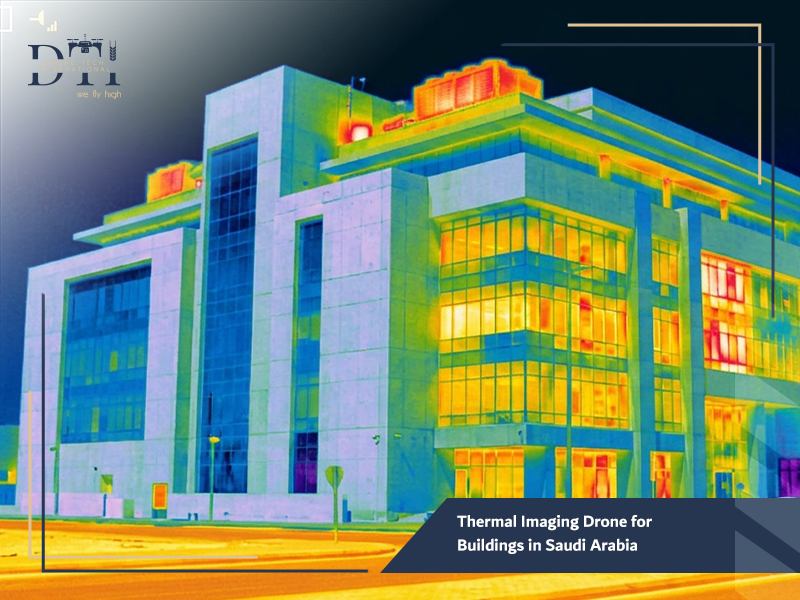
In the extreme climate of Saudi Arabia, where temperatures can soar above 45°C, the structural integrity and energy efficiency of buildings are under constant stress. Maintaining these structures requires more than just a visual check.
At Drone Tech, a premier provider among drone companies in Saudi Arabia, we utilize the Thermal Imaging Drone for Buildings to uncover hidden defects that are invisible to the human eye.
Whether it is a high-rise in Riyadh or an industrial complex in Jubail, our thermal solutions provide the data needed to protect your investments and ensure occupant safety.
What is Thermal Drone Imaging?
Thermal drone imaging, or aerial infrared thermography, is the use of Unmanned Aerial Vehicles (UAVs) equipped with radiometric sensors that detect infrared radiation (heat) rather than visible light. Unlike professional aerial photography which captures colors and shapes, a thermal drone captures “heat signatures.”
These sensors translate thermal energy into a visual map where different colors represent specific temperatures. In the context of drone services in Saudi Arabia, this technology allows us to “see” how a building is performing thermally, identifying hotspots that indicate electrical faults or cold spots that signal moisture or insulation gaps.
For advanced surveying and high-accuracy data capture, explore our LiDAR drone services for projects in KSA.
Looking for the right drone for your needs?
Explore a curated selection of drones and specialized solutions from our store.
Why Thermal Imaging is Effective for Building Inspection
Thermal imaging is uniquely effective because it is a non-destructive testing (NDT) method. You do not need to tear down a wall or remove a roof tile to see what is happening inside the structure. By using a Thermal Imaging Drone for Buildings, we can:
- Visualize the Invisible: Identify air leaks and “thermal bridges” where cool air is escaping.
- Scan Entire Envelopes: Capture the thermal data of a 50-story tower in a single afternoon.
- Work in Any Light: Since thermal sensors do not rely on visible light, they can perform inspections at night, which is often the best time to see temperature differentials in the Saudi desert.
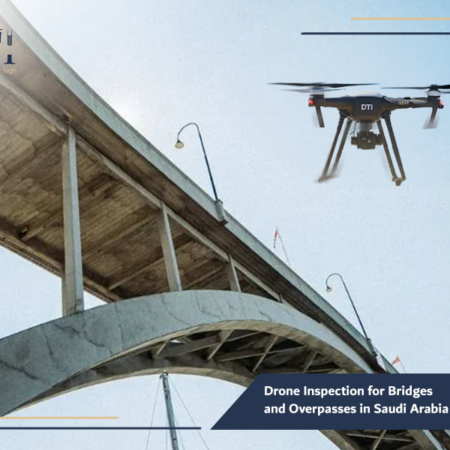
For structural assessment and safer infrastructure checks, explore our drone inspection for bridges and overpasses.
How Drones Equipped with Thermal Cameras Work
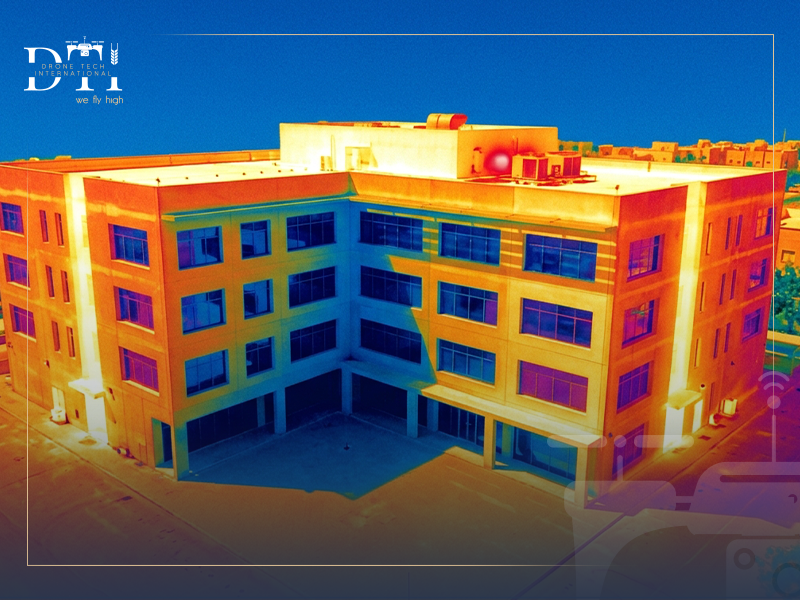
The process begins with our specialized fleet, often integrated with our initiatives in drone manufacturing in Saudi Arabia to withstand high ambient heat. The drone flies a pre-programmed path around the building, capturing overlapping infrared images.
Every pixel in a radiometric thermal image contains a specific temperature reading. By using aerial mapping and surveying software, we stitch these images into a high-resolution “thermal orthomosaic” a flat, georeferenced map of the entire building facade or roof. Engineers can then click on any part of the building to see its exact temperature, allowing for surgical precision in repairs.
To improve spatial analysis and connect field data with smart mapping outputs, learn more about our drone GIS services in Saudi Arabia.
Types of Building Issues Detected Through Thermal Imaging
At Drone Tech, we use our industrial facility inspection drone systems to identify a wide range of critical issues:
- Moisture Ingress: Wet insulation holds heat longer than dry insulation; after sunset, moisture shows up as “hot spots” on a roof.
- Insulation Gaps: Identifying areas in the walls where insulation is missing or degraded.
- Electrical Overheating: Spotting overloaded circuits or failing transformers before they cause a fire.
- Structural Delamination: Detecting where concrete or plaster is beginning to separate from the main structure due to thermal expansion.
- HVAC Inefficiency: Mapping leaks in rooftop air conditioning ducts and units.
In agricultural projects, agricultural land imaging drone services help monitor land conditions and support better crop and terrain assessment.
The Role of Thermal Imaging in Improving Energy Efficiency
In Saudi Arabia, energy efficiency is synonymous with cooling efficiency. A Thermal Imaging Drone for Buildings is the ultimate tool for energy audits. By pinpointing exactly where a building is “bleeding” cool air, owners can implement targeted retrofits.
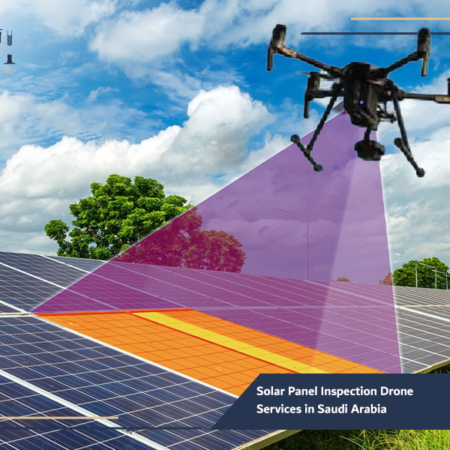
This is particularly relevant for large-scale projects where we also offer solar panel inspection drone services.
By ensuring the building envelope is sealed and the rooftop solar array is functioning at 100%, we help clients achieve massive reductions in their monthly utility bills and carbon footprint, supporting the Kingdom’s Green Initiative.
For accurate site calculations and field measurements, our drone dimensional measurement services provide a faster and more efficient solution.
Our Services
Explore DTI’s specialized drone solutions, engineering applications, and advanced technical services.
Traditional Inspection Methods vs. Thermal Drone Inspections
Traditional building inspections are often “reactive” and dangerous. They require:
- Scaffolding and Cranes: Costly and time-consuming to set up.
- Manual Probing: Often requires damaging the building to find a leak.
- Safety Risks: Sending workers onto high-heat rooftops or hanging them from ropes.
In contrast, drone services in Saudi Arabia offer:
- Safety: The inspector stays safely on the ground.
- Speed: Inspections that took weeks now take hours.
- Comprehensive Data: Traditional methods provide a few data points; a drone provides millions, ensuring no corner of the building is missed.
In critical infrastructure projects, drone pipeline monitoring services in Saudi Arabia help detect issues early and improve operational oversight.
How Thermal Imaging Helps Reduce Maintenance Costs
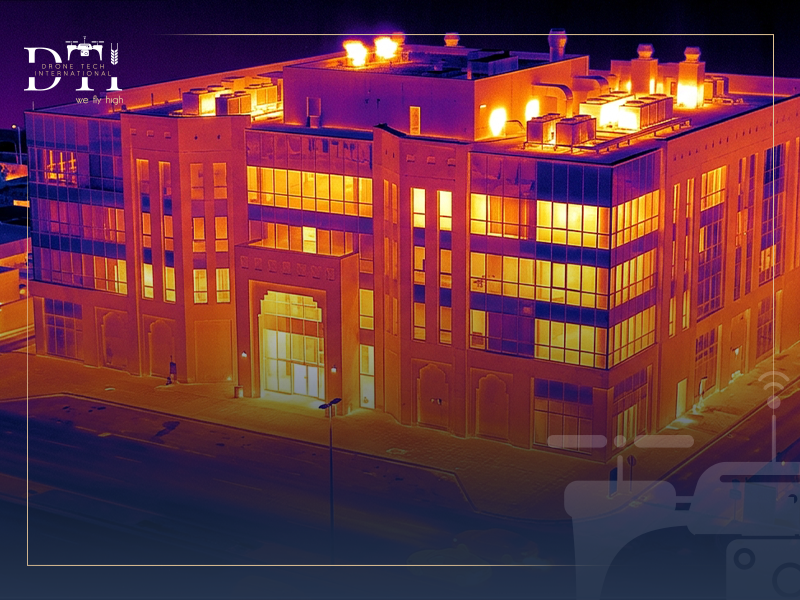
The secret to low maintenance costs is early detection. A Thermal Imaging Drone for Buildings allows for “Predictive Maintenance.” Instead of waiting for a roof to leak and ruin the interior furniture, a thermal scan can find the moisture while it is still trapped inside the insulation.
This allows for a small, inexpensive patch repair instead of a total roof replacement. By reducing the need for heavy equipment and large labor teams, our aerial survey services provide a significant return on investment (ROI) within the first year.
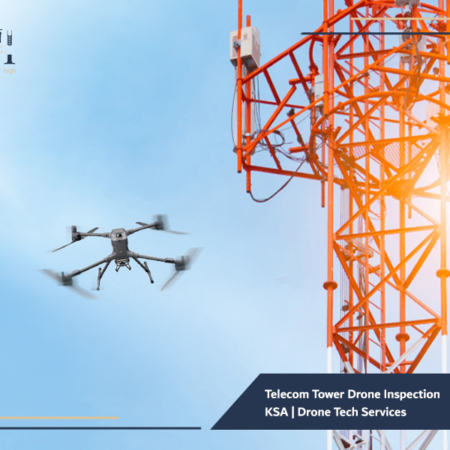
For safer and more efficient inspections in the telecom sector, see how our telecom tower drone inspection KSA solutions support maintenance and assessment.
The Importance of Early Fault Detection Using Thermal Drones
Early fault detection is about more than just money; it is about safety. Overheating electrical components in an industrial facility can lead to catastrophic fires.
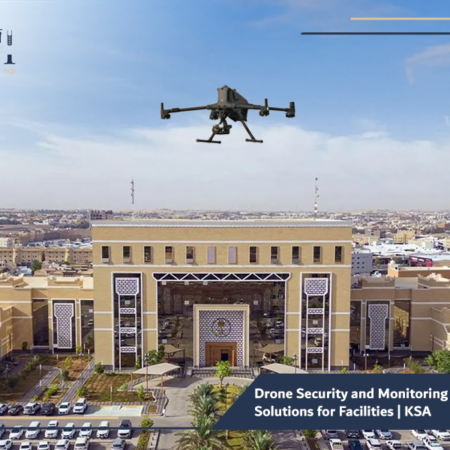
By using drone security and monitoring solutions integrated with thermal sensors, we can provide 24/7 “thermal oversight” for high-value facilities. Catching a fuse that is 20°C hotter than its neighbors today prevents a blackout or an emergency shutdown tomorrow.
In the energy sector, solar panel inspection drone services in Saudi Arabia can improve maintenance planning and detect performance issues faster.
Best Practices for Using Drones for Thermal Building Inspections
To get the most accurate results, Drone Tech follows international thermography standards:
- Delta-T Requirements: We ensure there is at least a 10°C to 15°C difference between the interior and exterior temperatures.
- Environmental Timing: We typically fly at dawn or late evening to avoid “solar loading,” where the sun’s heat masks the building’s internal thermal signatures.
- Material Emissivity: We calibrate our sensors based on the building material (glass vs. concrete) to ensure accurate temperature readings.
- Professional Pilots: We provide drone rental services with certified thermographers who know how to interpret complex heat maps.
If your goal is to strengthen site visibility and field oversight, our drone security and monitoring solutions offer a practical and scalable approach.
Frequently Asked Questions about Thermal Drone Imaging
Can the drone see through walls?
No. Thermal cameras detect surface temperatures. However, because heat transfers through materials, internal issues like a leaking hot water pipe or missing insulation will change the surface temperature of the wall, making the issue visible to the drone.
Is thermal imaging affected by the Saudi sun?
Yes. To get the best data, we perform inspections when the sun is not directly hitting the building, such as at night or early morning.
Do you provide reports for insurance companies?
Absolutely. Our aerial survey services include detailed, annotated reports that are accepted by major insurance providers and engineering firms for damage assessment.
As the architectural landscape of the Kingdom grows more complex, the tools we use to maintain it must evolve. The Thermal Imaging Drone for Buildings is no longer a luxury; it is a vital component of modern facility management. At Drone Tech, we combine the latest UAV technology with deep engineering expertise to keep your buildings efficient, safe, and sustainable.
Are you ready to see your building’s hidden performance? Contact Drone Tech today for a comprehensive thermal consultation. From energy audits to leak detection, our team is ready to provide the aerial insights you need to build a better future. Let us help you protect what you’ve built from the sky.