Wind Turbine Inspection Drone: Powering Efficiency in Saudi Arabia’s Renewable Energy Revolution
Wind power is becoming a key pillar in Saudi Arabia’s renewable energy transformation. But keeping wind turbines operating efficiently requires regular inspections — a process that can be risky, time-consuming, and expensive when done manually.
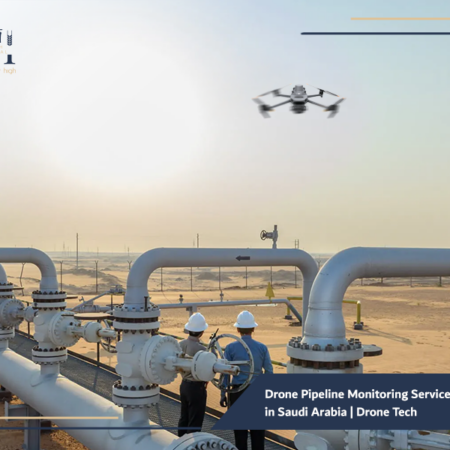
That’s where the Wind Turbine Inspection Drone comes in. Using drone services in Saudi Arabia, companies can now perform high-precision inspections safely and quickly without shutting down operations.
At Drone Tech International, we combine advanced aerial survey services, thermal imaging, and professional aerial photography to deliver complete inspection solutions for the wind energy sector — supporting the Kingdom’s Vision 2030 goals for clean and sustainable energy.
Why Is Wind Turbine Inspection Critical in Renewable Energy Projects?
Wind turbines operate in extreme conditions — high winds, heat, and dust — which makes them prone to wear and structural stress over time, Regular inspection is vital to:
- Detect cracks, corrosion, or blade erosion early.
- Prevent costly breakdowns or catastrophic failures.
- Ensure peak energy performance and turbine efficiency.
- Maintain safety standards and extend equipment lifespan.
In large-scale wind farms, even minor defects can lead to significant losses. By integrating industrial facility inspection drones, operators can continuously monitor turbine health and detect issues before they escalate — reducing downtime and increasing reliability.
How Are Drones Used to Perform Wind Turbine Inspections?
Traditional turbine inspections require technicians to climb towers over 100 meters tall, often suspended by ropes — a process that’s dangerous and time-intensive.
Wind Turbine Inspection Drones have changed that completely. Equipped with high-resolution cameras and thermal sensors, these drones autonomously fly around the turbine, capturing detailed imagery of each blade, the nacelle, and the tower structure.
Here’s how the process works:
- Pre-Flight Planning: The drone is programmed with a 3D flight path based on turbine geometry.
- Aerial Data Capture: The UAV captures hundreds of high-definition and thermal images in a few minutes.
- AI-Powered Analysis: The images are processed to detect microcracks, delamination, or other defects.
- Automated Reporting: The system generates reports highlighting problem areas for maintenance teams.
At Drone Tech International, our UAVs combine automation and precision — ensuring every inspection is fast, accurate, and repeatable.
What Are the Main Advantages of Using Drones Over Manual Inspection Methods?
Using drones for turbine inspections offers multiple advantages compared to traditional rope access or crane-based methods.
| Aspect | Manual Inspection | Drone-Based Inspection |
| Safety | High risk for technicians | Fully remote and safe |
| Inspection Time | Several hours per turbine | Less than 30 minutes |
| Cost | Expensive equipment and labor | Reduced operational costs |
| Accuracy | Subjective human observation | High-resolution imagery and data |
| Downtime | Often requires shutdown | Minimal interruption |
By adopting drone companies in Saudi Arabia, energy firms can perform inspections across multiple turbines in a single day — maximizing efficiency while minimizing risks and costs.
How Does Thermal Imaging Help Identify Hidden Defects?
One of the greatest strengths of drone-based inspections is the integration of thermal imaging technology, A Wind Turbine Inspection Drone equipped with a thermal camera can detect:
- Overheating in bearings or electrical components.
- Hidden cracks or delamination within blades.
- Energy loss due to internal friction or material stress.
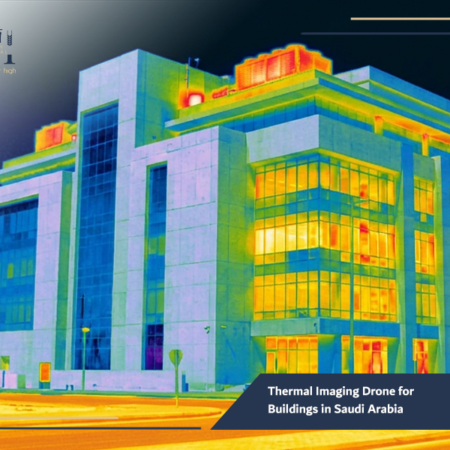
These infrared inspections help maintenance teams identify issues invisible to the naked eye, even in early stages.
At Drone Tech International, we use dual-sensor drones that capture both visual and thermal data simultaneously — ensuring a complete understanding of turbine health for predictive maintenance.
What Kind of Data Do Drones Collect for Turbine Condition Analysis?
During inspection flights, drones gather a wide range of data that allows for deep analysis and long-term performance tracking.
The key data points include:
- High-Resolution Visual Imagery: For identifying cracks, corrosion, and structural wear.
- Thermal Maps: For detecting hotspots and internal defects.
- 3D Models and Point Clouds: For structural analysis and deformation tracking.
- GPS and RTK Coordinates: For georeferenced inspection records.
By combining aerial mapping and surveying with advanced analytics, Drone Tech International provides detailed insights that help engineers prioritize maintenance tasks and extend turbine lifespan.
How Do Drones Reduce Costs and Enhance Operational Efficiency?
Drone-based inspections dramatically lower the cost and time required for wind turbine maintenance.
Cost-Reduction Benefits:
- No cranes, scaffolding, or rope access required.
- Reduced labor hours and travel expenses.
- Shorter inspection cycles — minimizing downtime.
Operational Efficiency Gains:
- Rapid Data Collection: Drones can inspect multiple turbines per day.
- Automated Workflows: AI-powered image analysis streamlines reporting.
- Real-Time Insights: Immediate identification of high-priority defects.
According to recent industry data, drone services in Saudi Arabia can reduce turbine inspection costs by up to 40% while doubling maintenance speed — crucial for large renewable energy farms.
What Are the Main Challenges in Drone-Based Wind Turbine Inspections?
While the advantages are clear, drone inspections come with certain challenges that require professional expertise to overcome.
Common Challenges:
- High Winds: Turbine sites often have strong gusts that can affect flight stability.
- Complex Geometry: Blades and nacelles require precise flight paths for complete coverage.
- Data Overload: Hundreds of images need proper organization and analysis.
- Regulatory Compliance: Operators must follow aviation laws set by the General Authority of Civil Aviation (GACA).
At Drone Tech International, we mitigate these challenges using industrial-grade UAVs designed for high wind resistance, AI-assisted flight planning, and secure data management systems — ensuring safe and compliant operations every time.
What Is the Future of Drone Technology in Saudi Arabia’s Renewable Energy Sector?
As Saudi Arabia expands its renewable energy capacity under Vision 2030, the demand for Wind Turbine Inspection Drones and related UAV services is set to soar.
Emerging Trends Include:
- AI-Powered Predictive Maintenance: Using machine learning to forecast turbine issues before they occur.
- Autonomous Drone Operations: Automated takeoff, flight, and landing for continuous inspection.
- Integration with Digital Twins: Creating real-time 3D models of turbines for virtual monitoring.
- Local Drone Manufacturing: Growth in drone manufacturing in Saudi Arabia to support national energy projects.
Drone Tech International is at the forefront of this evolution, supporting Saudi Arabia’s clean energy ambitions through smart industrial drone solutions and ongoing technological innovation.
Frequently Asked Questions about Wind Turbine Inspection with Drones
Q1: How often should wind turbines be inspected by drones?
Most operators schedule drone inspections every 6–12 months, depending on turbine age and environmental conditions.
Q2: Can drones operate safely in windy conditions?
Yes. Our industrial facility inspection drones are built to withstand wind speeds up to 15 m/s, ensuring stable and safe operations.
Q3: What types of drones are used for turbine inspection?
We deploy advanced UAVs such as DJI Matrice 350 RTK, Autel EVO Max 4T, and Skydio X10, all equipped with dual optical and thermal sensors.
Q4: Are drone inspections recognized by Saudi regulators?
Yes. All drone services in Saudi Arabia must comply with GACA regulations, and Drone Tech International operates under full certification.
Q5: Can I rent drones for short-term inspection projects?
Absolutely. Our drone rental services include pilot operation, data analysis, and full inspection reporting.
Wind power is the future of Saudi Arabia’s energy landscape — and maintaining it efficiently requires smart, data-driven solutions.
With Wind Turbine Inspection Drones, operators can ensure safety, accuracy, and performance at a fraction of the cost and time of traditional methods.
At Drone Tech International, we bring together expertise, innovation, and reliability to deliver the most advanced drone services in Saudi Arabia for the renewable energy sector.
Whether you need aerial mapping, thermal analysis, or full industrial inspection solutions, our UAV technology is designed to keep your turbines spinning at their best.
Contact Drone Tech International today to discover how our drone inspection services can power your renewable energy operations — safely, efficiently, and sustainably.